
A home in the right neighborhood, with room to make it your own: that’s the appeal behind buying a fixer-upper in the Bay Area. For buyers comparing Menlo Park homes for sale, an outdated kitchen or worn flooring may feel like a reasonable tradeoff for a location they love. Choosing the finishes themselves can be part of the attraction, too.
The opportunity deserves a closer look. A lower purchase price may leave room for improvements, but the work required determines whether that room is enough. Before making an offer, consider how the property’s condition, renovation possibilities, and total cost fit your plans.
HOW TO EVALUATE A FIXER-UPPER IN MENLO PARK
When comparing houses for sale in Menlo Park, CA, give each potential project the same careful review. The goal is to understand what you’re taking on, what remains uncertain, and how much flexibility you have if the scope changes.
Look closely at the location, lot, and layout
Imagine your everyday routine after the renovations are finished. Does the location suit your commute? Are the outdoor space, privacy, and street activity comfortable for you? Visit at different times to get a fuller picture of the surroundings.
Inside, evaluate how well the existing floor plan supports the way you live. Replacing dated cabinets is a different undertaking from moving a kitchen or removing a load-bearing wall. A home that already has enough space for your needs may be easier to renovate without expanding its footprint.
If an addition is essential, investigate its feasibility early. A large yard alone doesn’t establish how much you can build. Ask yourself whether you would still want the property if you had to keep its current footprint.
In Menlo Park real estate, a property’s setting deserves its own assessment alongside the house. Renovation should address many shortcomings inside; it won’t relocate the home.
Separate cosmetic updates from major repairs
Worn flooring and dated cabinets are easy to spot. Problems with the foundation, wiring, or plumbing may take a professional inspection to uncover. The more consequential questions often concern the parts of the house you can’t readily see.
Use this breakdown to organize the work:
| TYPE OF WORK | EXAMPLES | WHAT TO INVESTIGATE |
|---|---|---|
| Cosmetic updates | Paint, flooring, cabinet hardware, light fixtures | Whether the surfaces and systems beneath them are sound |
| System replacements | Roofing, electrical, plumbing, heating and cooling | Condition, remaining service life, and scope of replacement |
| Structural or extensive repairs | Foundation problems, significant water damage, major layout changes | Cause, engineering needs, and repair feasibility |
Review seller disclosures and available inspection reports, including their dates and limitations. Ask which findings warrant further evaluation by a roofer, structural engineer, pest inspector, or other specialist. Staining, cracks, and uneven floors need explanation before you can budget confidently.
An inspection and a contractor assessment serve different purposes: one helps identify defects; the other helps define and price the proposed work. For substantial renovations, seek written estimates that spell out assumptions and exclusions.
Check what your renovation plans will require
Before committing to a property because of what it could become, investigate the requirements that could affect your plans:
- Previous work: Review available records for additions, conversions, and substantial alterations. Ask whether the work received the required permits and final approvals.
- Property jurisdiction: Confirm which planning and building departments oversee the address. A Menlo Park mailing address doesn’t necessarily place a property within city limits.
- Remodeling requirements: Discuss your proposed work with the planning and building departments responsible for the property to identify required permits, plans, and supporting documents.
- Expansion potential: If you need an addition, check zoning and development standards before assuming the lot can accommodate it.
- Floodplain requirements: Check whether the property is in a designated flood zone and whether your planned renovations would trigger additional construction requirements.
- Protected trees: Check whether nearby heritage trees could affect the work. Construction that may disturb their roots can require tree-protection measures and an arborist’s input.
Confirm that your must-have changes are feasible before building your offer around them.
Calculate the full cost of buying and renovating
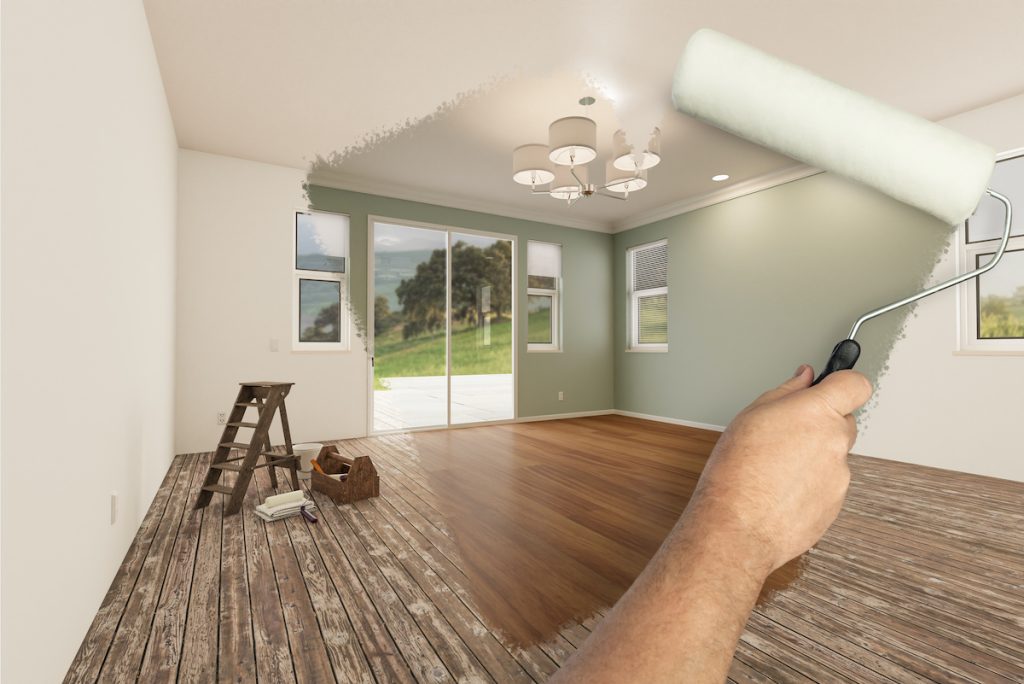
Budgeting for a fixer-upper means accounting for planned improvements, essential repairs, and unexpected work.
When buying a fixer-upper, the asking price is only one part of the decision. Build a working budget that includes:
- Acquisition costs: Purchase price, closing expenses, and inspections.
- Essential repairs: Work needed to address significant defects and make the home suitable for occupancy.
- Planned improvements: The kitchen, bathrooms, finishes, or layout changes you want.
- Professional and approval costs: Design, engineering, permits, and specialist evaluations as applicable.
- Housing and ownership costs: Temporary accommodation, storage, financing, insurance, and ongoing property expenses during construction.
- Contingency: Funds reserved for concealed damage, changed requirements, and other surprises.
Choose a contingency with your project team based on the property’s condition and how much remains unknown. Keep that reserve separate from optional upgrades so a change in countertop preference doesn’t consume your repair cushion.
Use property-specific estimates to test the budget. National remodeling averages may miss the demands of your particular Menlo Park project.
Then compare the total with similar updated homes, considering location, size, layout, and finish quality. An agent familiar with Menlo Park real estate can help identify relevant sales. Personal enjoyment has value, but expensive improvements don’t automatically translate into equivalent resale gains.
Talk with your lender early about the property’s condition and how the renovation will be funded. Confirm the available funds and any project requirements before relying on a particular financing plan.
Assess the timeline and disruption
A renovation schedule includes planning and approvals as well as construction. Ask prospective contractors about availability, material lead times, work sequencing, and the issues most likely to extend the project.
Decide where you’ll live and which facilities must be usable before moving in. Working from home beside an active kitchen remodel may be impractical, even if the house can technically be occupied.
Consider the decisions you’ll need to make along the way. Someone must review selections, respond to questions, and approve changes. Professional project management can help coordinate the work, but your preferences and approvals still matter.
If you have a firm move-in deadline, compare the project against updated Menlo Park homes for sale. The convenience of a completed home may justify its price for your circumstances.
FREQUENTLY ASKED QUESTIONS
Is an older Menlo Park home automatically a fixer-upper?
No. Age alone doesn’t establish condition. An older home may have well-maintained systems and carefully completed renovations, while a newer property may need repairs. Focus on maintenance history, inspection findings, and the work needed to meet your requirements. Dated decor and deferred maintenance are separate considerations.
Can I renovate gradually after moving in?
Sometimes. Painting and selected finish updates may be manageable in stages, while extensive structural or system work might make occupancy impractical. Ask a renovation specialist and your contractor which projects should be completed together and which can wait. Coordinating related work may help you avoid opening the same walls twice or damaging improvements you’ve already completed.
What if I can’t finish every evaluation before making an offer?
Identify the unanswered questions with your agent and discuss appropriate investigation periods and contingencies for the offer. Access, specialist availability, and the seller’s terms can affect what’s possible. Understand the remaining uncertainty and contractual deadlines before deciding what commitments you’re comfortable making.
PUT THE POTENTIAL INTO PERSPECTIVE
Comparing houses for sale in Menlo Park, CA with renovation in mind? Our team at Harper Properties pairs local buying guidance with our experience in renovation, construction, and project management. We can help you assess a property’s possibilities and connect with professionals to investigate the work involved.
Contact Harper Properties at 650.924.1340 or via email to discuss your search and evaluate your next move with a clearer picture of the project ahead.