Downtown Convenience, Established Palo Alto Living
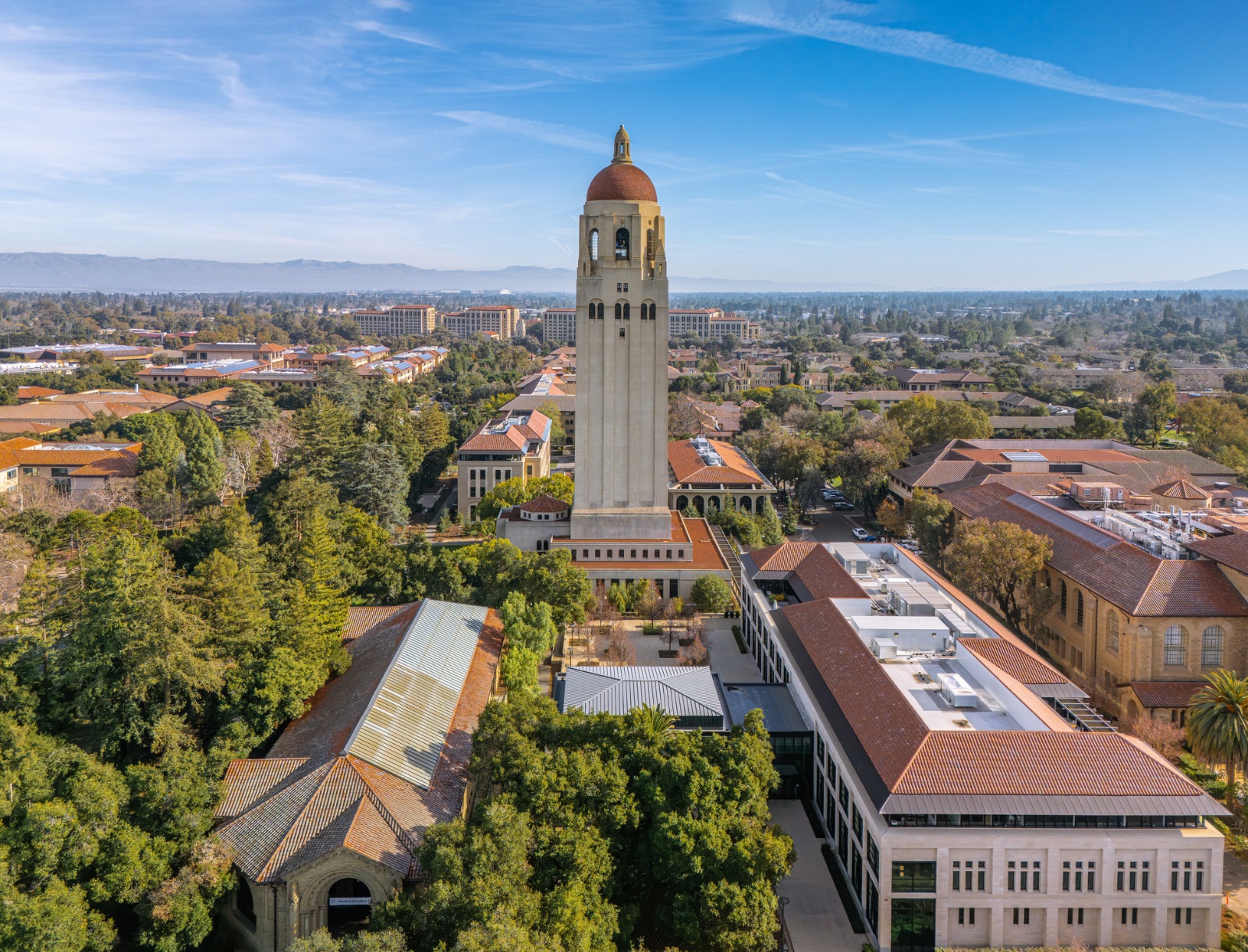
Stanford University sits close to University South, reinforcing the neighborhood’s central Palo Alto location.
University South is a walkable residential neighborhood in Palo Alto. Just south of University Avenue, it brings together older single-family homes, cottages, condos, and newer residences within easy reach of Downtown Palo Alto, Caltrain, and Stanford University. That mix of housing and location gives the neighborhood a more urban-residential feel than many other parts of the city.
This guide covers University South real estate and what it’s like to live here, from the kinds of homes you’ll find to the errands you can run on foot.
University South At A Glance
University South sits southeast of University Avenue within a broader area represented by the University South & Professorville Neighborhood Association. That association area is generally bounded by University Avenue, Middlefield Road, Alma Street, and Embarcadero Road, while Professorville remains a separate historic district within those broader neighborhood boundaries.
Within University South, the neighborhood changes noticeably from its downtown-facing edges to its interior residential blocks. Alma Street forms the western edge near Caltrain, while Middlefield Road and Embarcadero Road help define the broader neighborhood area. This layout puts residential streets close to Downtown without making the entire neighborhood feel commercial.
Real Estate In University South

Varied home styles, lot sizes, and mature landscaping reflect the residential character of central Palo Alto.
University South, Palo Alto real estate includes a broad mix of property types. Buyers may encounter older detached homes, cottages on smaller parcels, apartments, condominiums, townhomes, and newer residences closer to University Avenue.
The differences go beyond architecture. Lot size, private outdoor space, building age, ownership structure, and maintenance responsibilities can vary considerably between properties, making like-for-like comparisons especially important here.
Market considerations
Homes in University South are not always easy to compare directly because the neighborhood spans several property types and development periods. A detached home on an interior street may compete in a different segment from a newer condo closer to University Avenue or Alma Street.
Street position also affects how a property functions. Homes closer to Downtown and Caltrain offer easier access to transit, dining, and services, while interior blocks generally have a more residential setting.
For buyers reviewing University South homes for sale, useful pricing comparisons start with similar property types, then account for condition, lot size, street setting, previous improvements, and location within the neighborhood.
Common features
Older detached homes may show Craftsman, Colonial Revival, and bungalow influences, along with smaller cottages that have been expanded over time. Many now combine original layouts with later updates such as larger kitchens, rear additions, remodeled bathrooms, or newer building systems.
Condos and townhomes add another layer to the housing mix, particularly closer to Downtown. These properties often require less exterior upkeep than detached homes, while ownership may also involve shared building responsibilities and association requirements.
Parking and property considerations
University South’s proximity to Downtown makes parking especially relevant. Older detached homes may have smaller garages or driveways, while condos and apartments can rely on assigned or shared spaces.
For older detached homes, useful items to review include:
- permit history for additions or major remodeling;
- electrical and plumbing updates;
- roof and drainage condition;
- how well previous construction integrates with the original home.
For condos and townhomes, buyers should also review association documents, reserves, parking rights, and any planned building work.
The Harper Properties difference
University South properties can require very different types of evaluation depending on whether a home is detached, attached, recently remodeled, or largely original. Because Harper Properties brings direct, hands-on experience in construction, renovation, planning, and project management into Palo Alto real estate decisions, our team can look beyond finishes to assess past work, deferred maintenance, property condition, and the scope of possible improvements.
That background is also useful for sellers deciding what to address before listing. Harper Properties can help identify where repairs, landscaping, paint, lighting, or targeted kitchen and bath updates may improve presentation, while avoiding construction that adds unnecessary cost or complexity.
Living In University South

Tree-lined residential streets provide a comfortable setting for biking around central Palo Alto.
University South puts residential streets close to many of central Palo Alto’s everyday destinations. Depending on the block, residents may be only a short walk or bike ride from restaurants, parks, transit, schools, or civic amenities, while interior streets maintain a noticeably more residential setting than nearby University Avenue.
Schools
University South is served by the Palo Alto Unified School District. School placement depends on the specific address and available capacity, so buyers should confirm current assignments directly with PAUSD.
Nearby district campuses include:
- Addison Elementary School, located on Addison Avenue at Middlefield Road.
- Greene Middle School, serving students from across central and north Palo Alto.
- Palo Alto High School, located near Stanford and Town & Country Village.
Programs, transportation, and after-school options can also vary, making the specific address important when comparing homes.
Shopping and everyday needs
University Avenue gives residents direct access to many of Downtown Palo Alto’s restaurants, cafes, shops, and services. Grocery stores, pharmacies, banks, and other routine errands are also available within or near the downtown core.
Town & Country Village provides another nearby option closer to Stanford, with groceries, dining, and specialty shops in one location. For many University South addresses, both commercial areas are close enough to reach without crossing much of the city.
Parks and local landmarks
Heritage Park is one of University South’s main neighborhood green spaces. The two-acre park on Homer Avenue includes an open lawn, a playground, picnic areas, and mature trees.
Across the street, the Museum of American Heritage adds a distinctive local landmark focused on the history of technology and everyday innovation. The neighborhood is also close to Downtown Library and Palo Alto City Hall, putting civic and cultural destinations within the same compact part of the city.
Getting around
University South offers several ways to get around without relying on a car for every trip. Bryant Street runs through the neighborhood as part of Palo Alto’s bicycle network, while flat terrain makes biking practical for trips to Downtown, Stanford, parks, and nearby schools.
The Palo Alto Caltrain station sits at Alma Street at the southwestern edge of Downtown and provides rail service along the Peninsula. VTA buses and Stanford’s Marguerite shuttle add more options for local and regional travel.
Drivers can also reach El Camino Real, Embarcadero Road, and other parts of Palo Alto without traveling far from the neighborhood, giving residents several practical options for local and regional trips.
Frequently Asked Questions
University South is one of Palo Alto’s more walkable residential neighborhoods, with Downtown, University Avenue, Caltrain, parks, and restaurants close to many addresses. Exact walkability varies by block.
No. The two neighborhoods are adjacent and share a neighborhood association, but Professorville is a distinct historic district. University South extends closer to Downtown, Alma Street, and University Avenue and includes a broader mix of housing.
No. A home’s age alone does not make it historically designated. Buyers considering major changes to an older property should confirm its individual historic status, permit history, and any applicable City of Palo Alto requirements.